Undertale Test Place Reborn Gamemodes
Pick the right lobby for learning, grinding, ranked climb, or chaos practice.
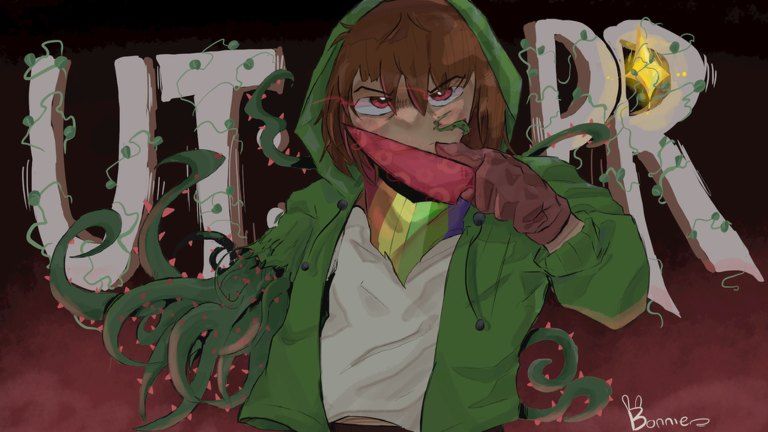
Undertale Test Place Reborn is not a single playlist with one ruleset. The same roster—Asriel, Asgore, Frisk, Sans, GTChara, SSChara, Undyne, Jevil, Gerson, Gaster—plays differently depending on whether cooldowns are normal, whether ranked pressure is on, or whether your kit was just randomized. This guide explains Main, Ranked, Customs, Rush, Casual, and Randomizer, when each helps, and how to avoid practicing the wrong habits in the wrong lobby.
Pair this page with Getting Started if you are brand new, and with Combos once you know which mode you will lab in. The embedded gamemodes video shows the menus in motion; the sections below focus on decision-making.
Main — the default battleground
Main is the everyday public arena. Expect mixed skill, streak hunters, challenge requests, and occasional chaos when multiple duels share space. Core systems run at standard pacing: stamina cap 20, Block on F, Perfect Block blue-glow punishes, Risk while turtle-blocking, Rage building in combat and decaying after 8s idle, phases at 0 HP, teleport on R (5s CD), lock-on via L or mouse wheel.
Use Main when:
- You already finished tutorial and want real opponents.
- You are practicing challenge etiquette with
/challenge username. - You need “messy” experience—interruptions, crowd movement, imperfect spacing.
Avoid Main when:
- You still cannot Perfect Block on purpose.
- You are trying to isolate a single combo confirm without spectators or third parties.
Enable Anti Teaming in Settings if you want cleaner 1v1s inside busy Main servers. Disable intense screen effects if phase flashes hide telegraphs. Main is where most players live; treat it as the exam, not the only classroom.
Casual — low-pressure reps
Casual keeps the same mechanical vocabulary with less social and ranked weight. It is the correct second stop after tutorial: you can die, reset, and try the same dash-in without feeling like you ruined someone’s streak narrative.
Use Casual when:
- Learning a new character’s first M1 confirm.
- Warming up Perfect Block timing.
- Returning after a patch and re-checking muscle memory.
Move on from Casual when: your short routes land consistently and you need opponents who punish hesitation harder. Then bounce to Main or Customs mirrors before Ranked.
Casual is also a good place to redeem codes and sort UI panels (Q/E) without burning a ranked mindset.
Customs — the real lab
Customs exist so you can control the experiment. Mirror match Asgore vs Asgore, drill Perfect Block punishes with a friend, or practice teleport lock-ons without a random Jevil exploding your focus.
Use Customs when:
- Labbing routes from the Combos guide.
- Testing whether a string is true on block or only on hit.
- Teaching a friend
/challengehabits in a private space. - Rehearsing phase transitions on purpose.
Customs tip: record or at least narrate your mistakes. “I dashed twice before M1” is actionable; “I just lost” is not. Bring the Controls checklist and enforce stamina discipline between rounds.
If you lack a friend, still use Customs when the game allows solo or open custom setups—anything that reduces random third-party noise while you isolate one mechanic.
Rush — cooldown compression classroom (and trap)
Rush cuts cooldowns by about 70%. Skills light up constantly. That feels powerful and teaches terrible habits if you enter too early: you stop hit-confirming, you empty stamina while mashing 1–9, and you never learn the patience Main and Ranked require.
Use Rush when:
- You already understand confirms and want to practice defense against dense offense.
- You are stress-testing Perfect Block under skill spam.
- You specifically want faster iteration on cooldown-dependent strings after those strings work at normal CD.
Avoid Rush when:
- You are a day-one player choosing a starter.
- You are trying to learn Neutral—Rush compresses neutral into fireworks.
Think of Rush as an advanced training weight, not a lifestyle. Many players who “only queue Rush” collapse in Ranked the moment cooldowns are honest again.
Ranked — earned pressure
Ranked is for players who already respect fundamentals. Community guidance commonly gates serious ranked play behind a kill milestone around 30+ kills—earn that floor in Main/Casual so you are not learning Block timing on someone’s ladder anxiety. Ranked rewards stable short routes, clean challenge mindset, and composure after phases.
Use Ranked when:
- Your Asgore/Asriel (or main) short confirms are consistent.
- You can explain why you lost (stamina, Perfect Block, Risk, whiffed teleport).
- You want opponents who punish autopilot.
Ranked habits that matter:
- Warm up in Casual for ten minutes first.
- One character per session—tier hopping mid-climb wastes games.
- After a Perfect Block against you, take the reset; do not coin-flip.
- Respect
/challengeculture even when climbing; griefing streaks still harms the ecosystem. - Review deaths with Combos and Counters notes instead of instant remashing.
Ranked is not where you “figure out” the control scheme. If you need the table, you need Controls and Main/Casual reps first. Use the Tier List only as a tie-breaker after execution exists.
Randomizer — chaos after competence
Randomizer assigns or shuffles kits so you cannot lean on one memorized route. It is excellent for general fighting sense—spacing, Block discipline, stamina—and terrible for learning a specific character’s confirm.
Use Randomizer when:
- You already own one character’s beginner routes.
- You want to practice adapting during phase changes with unfamiliar tools.
- You are warming creative problem-solving, not grinding a ranked main.
Avoid Randomizer when: you still confuse Risk with Rage, or you cannot Perfect Block on a known M1. Random kits amplify confusion; they do not teach the bars.
After Randomizer sessions, return to Customs on your main so the chaos does not overwrite your stable routes.
How to choose a mode tonight
Use this quick picker:
| Goal | Mode |
|---|---|
| First hour in UTPR | Tutorial → Casual |
| Learn one confirm | Customs (or Casual) |
| Real opponents, standard rules | Main |
| Ladder / serious duels | Ranked (after ~30+ kills & stable routes) |
| Defense vs spam / CD stress | Rush (advanced) |
| Adaptability fun | Randomizer |
Whatever you pick, keep Settings sane: epilepsy-friendly effects if needed, Anti Teaming for fairer duels, binds verified. Movement and combat inputs do not change across modes—only pacing, social stakes, and cooldown pressure do.
Mode-specific mistakes to avoid
- Main: third-partying every glowing fight “for content,” then wondering why the lobby hates you.
- Casual: staying forever because losing in Main feels scary—set a promotion rule (for example, ten clean confirms).
- Customs: labbing only cinematic juggles that drop under ping; always keep a short punish.
- Rush: convincing yourself skill mash equals improvement.
- Ranked: changing characters every loss based on a single Tier List glance.
- Randomizer: using it as your only practice, then bringing no consistent routes to Ranked.
Linking modes to the rest of your climb
- Onboard with Getting Started.
- Own binds and bars via Controls.
- Build short routes in Customs using Combos.
- Stress-test in Main; climb in Ranked when ready.
- Study reactive tools on Counters when opponents start interrupting your strings.
- Consult Players and the Tier List for roster direction—not as a substitute for reps.
UTPR’s identity—“kill or be killed”—hits different in each playlist. Main teaches survival, Casual teaches reps, Customs teaches truth, Rush teaches overload defense, Ranked teaches composure, Randomizer teaches adaptability. Queue with intent and every match makes you better instead of busier.
Frequently Asked Questions
Quick answers for Undertale Test Place Reborn players.
Which UTPR mode should absolute beginners play?
Finish tutorial, then Casual for low-pressure reps. Move to Main for real opponents. Save Rush and Randomizer until fundamentals click, and enter Ranked after you have stable routes and roughly 30+ kills.
What makes Rush different?
Rush reduces cooldowns by about 70%, so skills come up constantly. It is useful for advanced defense practice against spam, but it teaches bad neutral habits if you use it as your only mode.
When should I play Customs?
Use Customs to lab combos, Perfect Block punishes, teleport lock-ons, and phase transitions with a controlled partner or setup. It is the best environment for isolating one mechanic.
Is Ranked just Main with a score?
Ranked adds ladder pressure and usually expects stronger fundamentals. Warm up first, stick to one character, and do not treat it as a controls tutorial. Earn comfort in Main/Casual before grinding ranked games.
What is Randomizer good for?
Adaptability after you already know one character. It is a poor place to learn your first confirms because kit consistency disappears—return to Customs on your main afterward.